

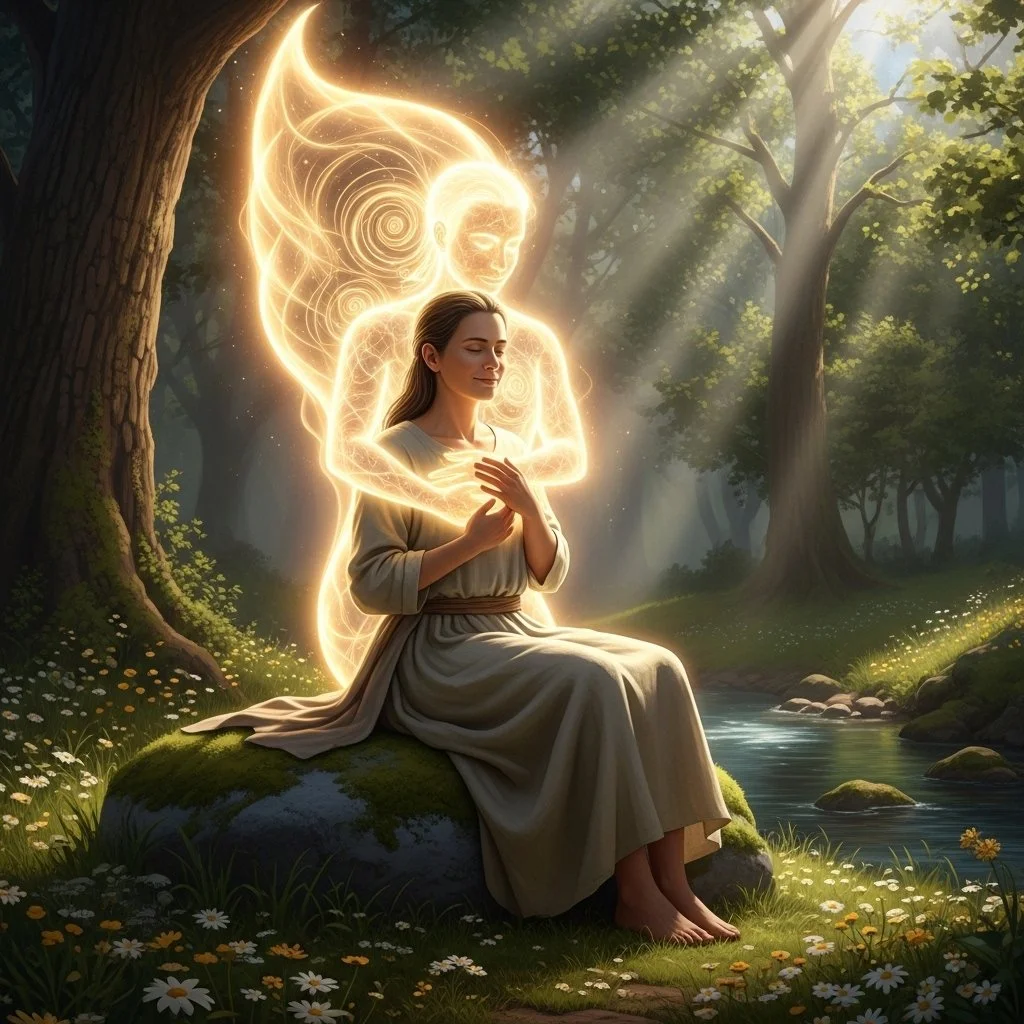
Fear of Death & Existential Anxiety
“Energy cannot be created or destroyed; it can only be changed from one form to another.”
“To the well-organized mind, death is but the next great adventure.”
At some point, the thought shows up: “One day, I will die.”
For some people, it passes. For others, it doesn’t. Fear of death, or questions about existence itself, can feel heavy, confusing, and lonely.
You might notice:
Sudden panic about dying
Fear of not existing anymore
Anxiety at night or racing thoughts
Feeling like life is fragile or unreal
Worry about the future, time running out, or disappearing
That fear can feel isolating. And hard to say out loud.
Common Tools for Managing Fear:
Calming your nervous system
Working with anxious thoughts
Helping you stay in the present
Finding meaning in your life
Reducing avoidance and panic patterns
Your body needs to feel safer. Your mind needs steadiness.
For some people, that brings relief. But for others, the fear goes deeper.
It’s not just anxiety. It’s about existence itself.
What You Can Gain:
You’ll feel more present and alive
You’ll gain courage and freedom in your choices
Life feels richer, even when uncertainty shows up
Optional Perspective that Expands the Conversation:
Many clients find it useful to explore life from a broader perspective. You don’t have to believe these ideas—they’re just one lens for thinking about life and death.
1. Consciousness may not end with the body.
Instead of assuming death means total nothingness, we allow space for the possibility that awareness continues.
If you are more than your physical body, what changes? For many people, the fear softens when “non-existence” isn’t the only option.
2. Death may be a transition.
What if dying is not disappearing, but moving into a different kind of experience?
We don’t have to be certain. We just notice how that idea feels. For some, it brings relief. For others, curiosity. Often, it reduces the terror.
3. Your life may be part of something larger.
Instead of seeing life as random and easily erased, we explore the possibility that your experiences have deeper meaning and continuity. If your existence doesn’t simply end, how does that change how you live now?
When life feels purposeful, death often feels less overwhelming.